
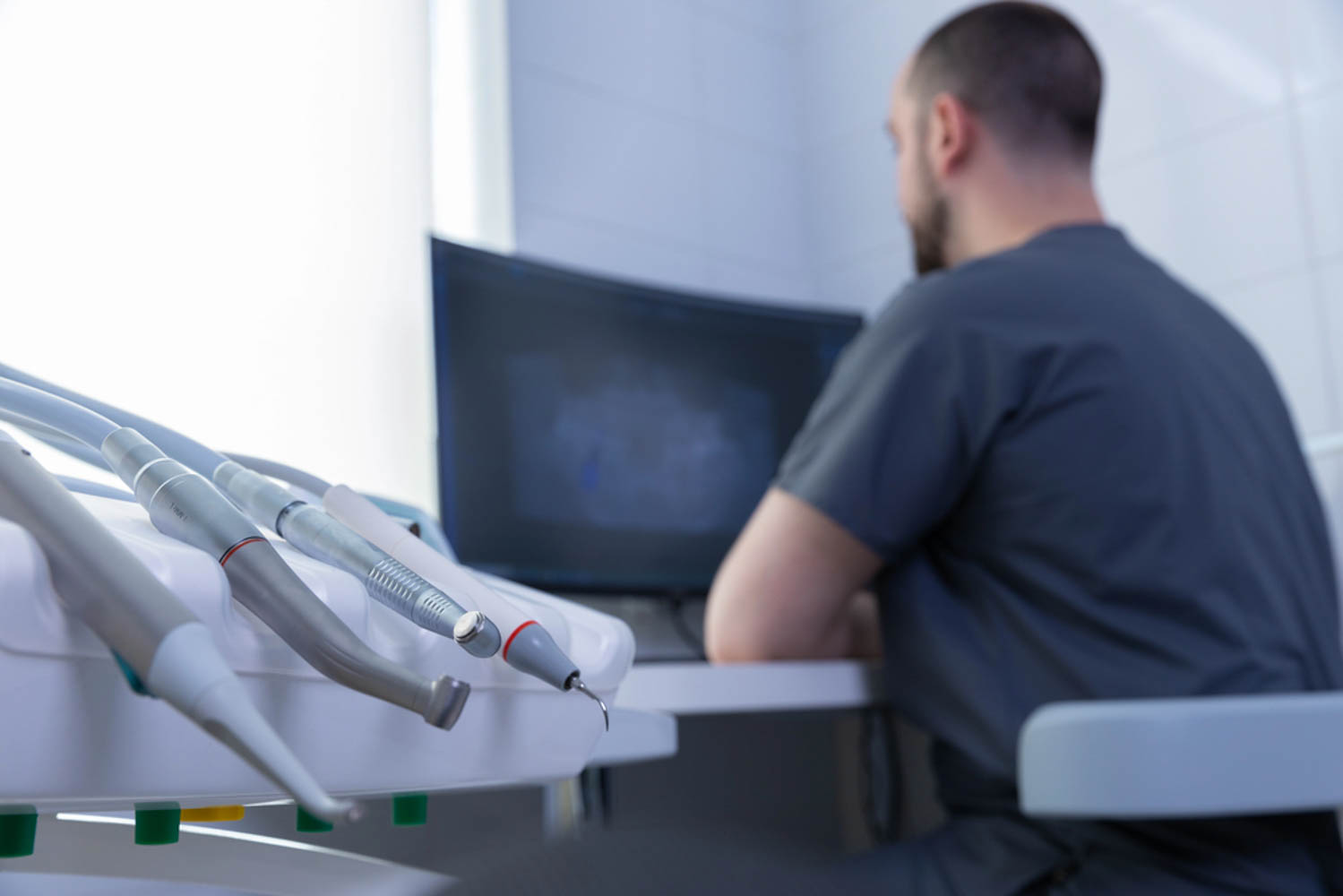
Running a modern clinic requires more than clinical skill; it demands strategic leadership, operational discipline, and financial foresight. A trusted advisor brings frameworks, accountability, and hands‑on guidance that help owners balance patient care with sustainable growth. In the Greater Toronto Area and surrounding communities, an outside perspective turns daily firefighting into a clear roadmap for improvement and expansion. Working with a business coach for dental practice management helps translate clinical excellence into a predictable, scalable business model so clinicians can focus on care while the business side becomes more manageable.
Operational Pain Points Most Clinics Face
Managing a healthcare business means juggling dozens of moving parts—staffing gaps, regulatory updates, inconsistent scheduling, and billing errors all chip away at margins and morale. A coach diagnoses root causes and delivers practical fixes:- Spot inefficiencies — the coach maps workflows and pinpoints where time and resources are lost (for example, in patient intake or charting), then recommends targeted changes that reduce wasted hours.
- Prioritize effectively — they help you rank tasks by impact so leaders spend time on service development and staff growth rather than low‑value admin.
- Standardize systems — the advisor designs templates, checklists, and communication protocols that reduce errors and create consistency across shifts and providers.
- Turn strategy into action — they facilitate planning sessions that convert vague goals into measurable milestones and contingency plans.
Practical Steps to Grow Your Clinic
Expansion doesn’t happen by accident. It requires market insight, service design, and operational readiness. A coach helps you build and execute realistic growth plans:- Market analysis — the coach conducts or interprets local research to identify underserved patient segments or high‑margin services that match your strengths.
- Service line planning — they evaluate profitability, training needs, and equipment investments so new offerings launch with a clear return on investment.
- Technology integration — the advisor recommends and helps implement tools (online booking, digital imaging, patient portals) that increase throughput and satisfaction.
- Scalable processes — they create repeatable workflows and delegation models so quality is preserved as volume grows.
Developing Leadership That Scales
Clinical expertise doesn’t automatically translate into leadership ability. A coach helps clinicians develop the mindset and tools needed to lead a team and a business:- Improve communication — the coach teaches techniques for clear, empathetic communication that reduce misunderstandings and align staff around shared goals.
- Delegate with confidence — they help you create delegation frameworks so clinicians can focus on complex care while trained team members handle routine tasks.
- Create accountability — the advisor implements goal‑setting and tracking systems that make performance measurable and visible.
- Manage conflict — they provide practical approaches to resolve disputes quickly and preserve patient care continuity.
Building a High‑Performing Team
A motivated, well‑organized team multiplies patient satisfaction and operational efficiency. Coaches help you design the structure and culture that make teams perform:- Clarify roles — the coach helps define responsibilities and escalation paths so everyone knows what’s expected and when to escalate issues.
- Implement performance systems — they design review processes that give constructive feedback and reward improvement.
- Run effective huddles — the advisor introduces short, focused meetings that align daily priorities and reduce miscommunication.
- Develop career pathways — they create training and progression plans that increase retention and morale.
Financial Planning That Protects and Enables Growth
Without disciplined financial planning, even busy clinics can struggle with cash flow, underinvestment, or poor margins. A coach turns numbers into decisions:- Budgeting and forecasting — the coach builds realistic financial models that account for seasonality, staffing, and capital needs.
- Expense optimization — they analyze recurring costs and identify opportunities to renegotiate contracts or streamline spending.
- Profitability modeling — the advisor evaluates new services and investments so decisions are data‑driven.
- Contingency planning — they help create cash reserves and scenario plans to weather downturns.
Keeping Patients Coming Back
Acquiring new patients is costly; retention is where sustainable revenue comes from. A coach helps you design systems that turn one‑time visitors into loyal patients:- Personalized follow‑ups — the coach helps implement recall systems and tailored communications that keep patients on schedule for preventive care.
- Loyalty and referral programs — they design incentives and processes that encourage repeat visits and word‑of‑mouth.
- Service consistency — the advisor sets quality standards and training so every visit meets expectations and builds trust.
- Feedback loops — they establish ways to collect and act on patient feedback to continuously improve experience.
Making Daily Operations Run Smoother
Operational bottlenecks reduce capacity and frustrate staff and patients alike. A coach helps you redesign workflows to maximize efficiency:- Process audits — the coach observes and maps current processes to identify delays in intake, treatment, or billing.
- Digital tool selection — they recommend scheduling, reminder, and charting systems that reduce manual work and errors.
- Task redesign — the advisor reallocates duties so clinical and administrative tasks match skill levels.
- Continuous improvement — they set up metrics and review cycles so processes keep getting better.
Planning for Ownership Transition
Transition planning protects the clinic’s value and continuity of care. A coach helps you prepare for every stage of ownership change:- Valuation and readiness — the coach assesses business value and identifies improvements that increase sale price.
- Talent development — they prepare internal successors with clinical and managerial training so transitions are smooth.
- Legal and financial structuring — the advisor coordinates with accountants and lawyers to ensure contracts and tax implications are handled.
- Patient communication — they craft messaging and timelines that preserve trust during ownership changes.
How Local Expertise Accelerates Results
Local market knowledge matters. A coach familiar with the GTA brings regulatory insight, demographic understanding, competitive benchmarking, and practical tactics that work in your neighbourhood:- Regulatory insight — they help you navigate provincial requirements and local bylaws so compliance becomes a competitive advantage rather than a distraction.
- Demographic understanding — the coach tailors services, hours, and outreach to neighbourhood needs to increase relevance and patient uptake.
- Competitive benchmarking — clear comparisons to nearby providers reveal gaps you can exploit and strengths you can amplify.
- Practical, local tactics — from staffing models to community outreach, the advisor applies tested methods that work specifically in the GTA market.

